Premium Leathers
The patina of a well-worn leather strap acts as a physical ledger of the collector's life. It is the warmest and most traditional material to secure a case.
Shell Cordovan: The Equine Hide
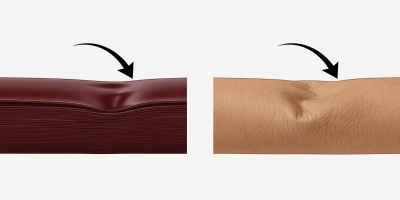
Originating from the fibrous flat muscle beneath the hide on the rump of a horse, Shell Cordovan is famously tanned by institutions like Horween in Chicago. Unlike traditional calfskin, Cordovan does not crease in fine lines; it rolls. This rolling effect creates a majestic, fluid aesthetic over the lugs of a watch.
Its intense density means it naturally resists water and stretching. However, it requires a significant break-in period. A Cordovan strap is stiff on day one, but by year two, it molds permanently to the exact topography of the wearer's wrist.
Exceptional
Stiff initially
Exotic Hides: Alligator & Crocodile
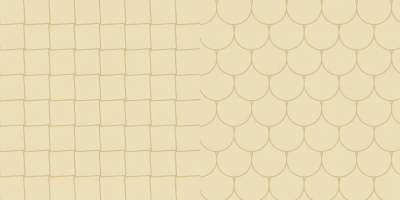
Scale Geometry
- Square Scales: Cut from the belly, highly symmetrical, utilized by top-tier Swiss houses.
- Round Scales: Cut from the flanks, softer texture, more casual appearance.
- Hornback: Cut from the dorsal ridge, aggressively textured, highly polarizing.
The definitive dress watch pairing. Alligator leather is graded by the symmetry of its scales. CITES regulations strictly monitor the sourcing, ensuring ethical harvesting from farmed sources.
For a Patek Philippe Calatrava or a A. Lange & Söhne Saxonia, matte square-scale alligator is practically mandatory. It provides a structured, rigid elegance that frames precious metal cases without overpowering them.