Articulated Metals
A metal bracelet is not a mere accessory; it is an architectural extension of the watch case itself, demanding tolerances measured in microns.
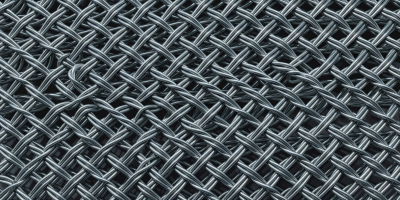
Milanese Mesh: Woven Steel
Originating in Milan during the 13th century for chainmail, the technique of weaving steel wire was adapted for horology in the mid-20th century. Milanese mesh provides extreme breathability and infinite adjustability (when paired with a sliding clasp).
It is completely fluid, possessing no rigid links, allowing it to drape over the wrist like fabric. It is the quintessential pairing for mid-century dress watches and vintage-inspired divers.
Superior
Moderate
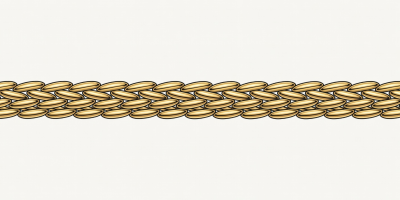
The Three-Link & Beads of Rice
Legendary Fabrications
- Oyster Style: The ubiquitous three-piece solid link. Robust, utilitarian, the backbone of modern sports watches.
- Beads of Rice: Popularized by Gay Frères, featuring multiple small, rounded center links offering extraordinary articulation.
- Presidential: Semi-circular three-piece links combining the robustness of the Oyster with dressier elegance.
The construction of a bracelet defines its lifespan. Vintage bracelets utilized hollow folded links—lightweight but prone to "stretch" as the friction of wear elongated the internal pins.
Modern manufacturing relies on solid milled steel, titanium, or platinum links held by screwed pins. This eradicates stretch entirely but significantly increases the heft on the wrist, completely altering the watch's center of gravity.