Synthetic Composites
When organic materials fail in sub-aquatic or chemically harsh environments, modern horology turns to highly engineered elastomers.
FKM Rubber: The Diver's Choice
Fluoroelastomer, commercially known as FKM, is vastly superior to traditional silicone. While silicone is a lint-magnet and degrades quickly under UV exposure, FKM is engineered for aerospace and chemical transport applications.
On the wrist, FKM provides a dense, silky tactile feel. It is impervious to saltwater, sweat, and UV bleaching. High-end horology has embraced FKM, molding it to seamlessly integrate into the case lugs, transforming luxury pieces into true aquatic instruments.
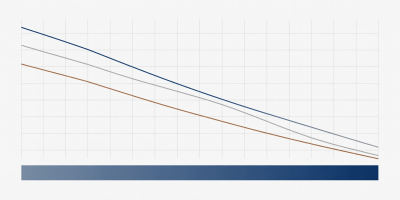
Perfect
Maximum
Vulcanized Rubber
Chemical Stability
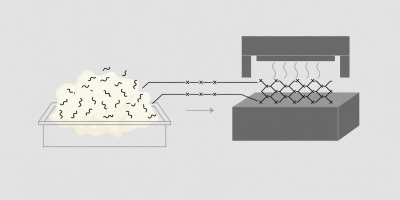
- Natural vs Vulcanized: Raw rubber perishes. Vulcanization introduces sulfur bridges, exponentially increasing structural strength.
- Vanilla Scenting: Historically used to mask the smell of raw natural rubber, now a hallmark of premium vintage-style dive straps.
- Integrated Ends: Modern vulcanized straps often feature internal ABS plastic or titanium inserts at the lugs to prevent tearing.
Before FKM, vulcanized rubber was the zenith of strap technology. The vulcanization process stabilizes the rubber, allowing it to hold precise shapes, such as the iconic 'accordion' waves seen on professional Seiko dive straps, which allow the strap to expand over a compressed wetsuit at depth.